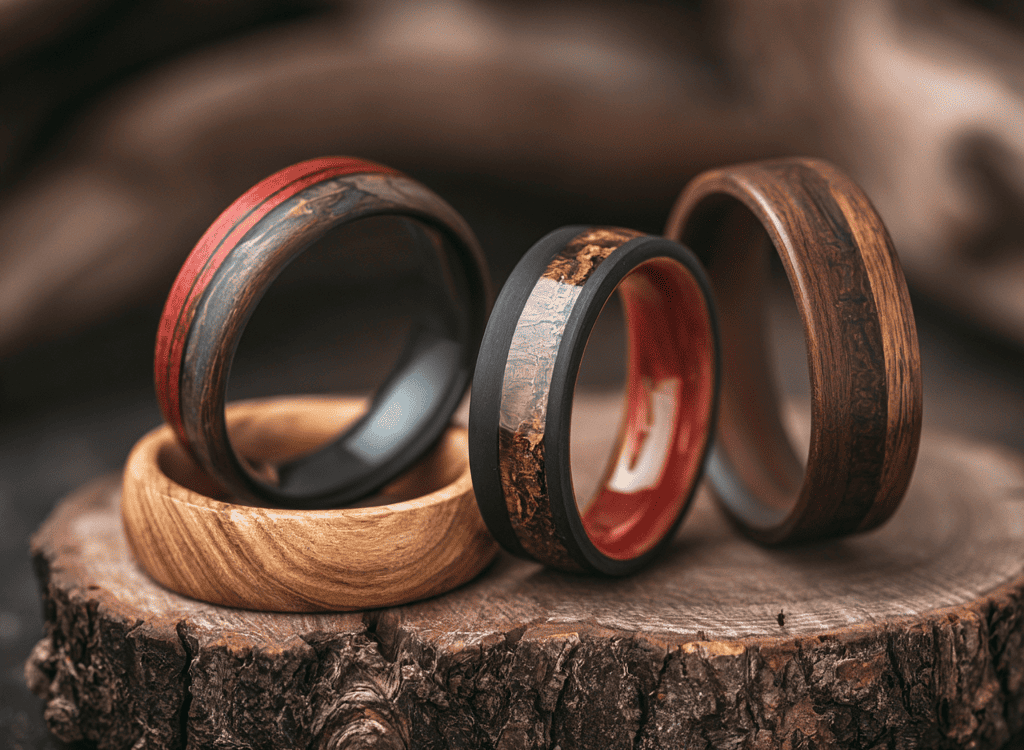
For anyone who has ever felt the sting of irritation from a metal ring, the search for a comfortable, beautiful alternative can feel like a challenge. The good news is that wooden rings offer a wonderfully gentle solution. While metal allergies—particularly to nickel—are remarkably common, wood provides a naturally skin-friendly option that lets you enjoy the beauty of a ring without the worry of discomfort. Understanding why wood is such a kind choice for sensitive skin reveals a world of comfortable, stylish possibilities.
The Metal Allergy Reality: Why So Many React
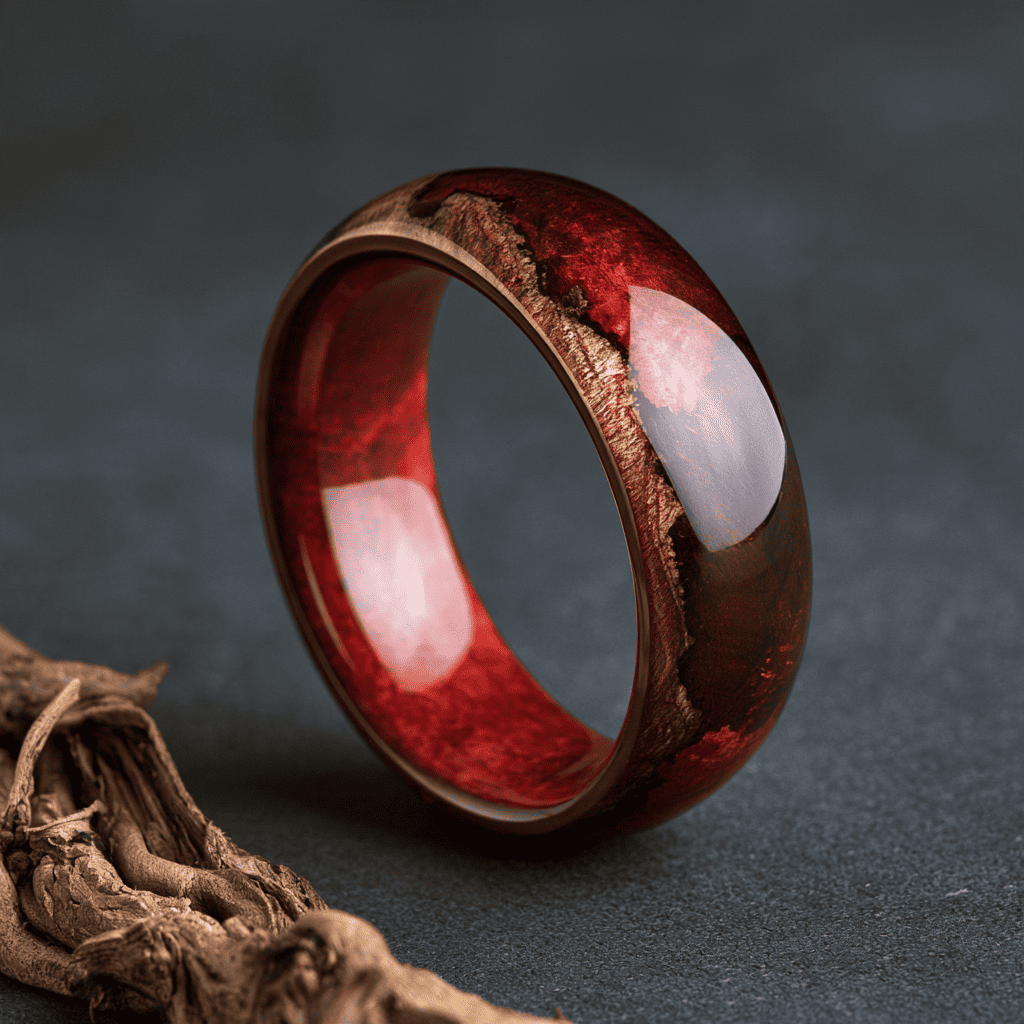 If you have experienced redness, itching, or a rash under a ring, you are far from alone. Nickel is one of the most common contact allergens worldwide. Recent European data shows that nickel sensitivity remains the most frequent positive reaction in patch testing, with nearly 19% of tested patients reacting to it. Among children and adolescents, nickel positivity was even higher in the youngest age group, reaching nearly 20%.
Gold, too, can be a culprit. A systematic review of dermatitis patients found a pooled prevalence of gold contact allergy at 14.1%, though researchers note that positive patch tests do not always translate to clinical reactions from everyday wear. Other metals used in jewelry, including cobalt and chromium, are also recognized sensitizers. For anyone with a known metal allergy, traditional rings can become a source of daily discomfort rather than joy.
Why Wood Is Naturally Gentle
The fundamental advantage of a wooden ring is its composition. Wood is not a metal. It contains none of the common metallic allergens that trigger contact dermatitis in sensitive individuals. This simple fact makes wood an inherently safer choice for those who have reacted to nickel, cobalt, gold, or other metals in the past.
Many wooden ring makers also design their products with sensitive skin in mind. Some use hypoallergenic materials like titanium as a structural component or inlay, ensuring that the parts of the ring touching the skin are safe for even the most reactive wearers. When properly sealed with non-toxic, skin-safe finishes, a wooden ring offers a smooth, comfortable surface that is unlikely to provoke irritation.
A Note On Natural Oils
It is worth noting that while wood is generally gentler than metal, some individuals may be sensitive to specific natural compounds in certain exotic woods. There is a documented case of a woman who developed contact dermatitis from a ring made of cocobolo wood, an exotic Central American hardwood. This is exceptionally rare and appears linked to specific tropical species. The vast majority of wooden rings are crafted from common, well-tolerated woods like sandalwood, maple, oak, or bamboo.
If you have very reactive skin or known sensitivities to plant compounds, choosing a reputable maker who uses common, food-safe woods and inert sealants is a wise approach. For most people with sensitive skin, however, a wooden ring is a comfortable, breathable, and worry-free choice.
Comfort That Goes Beyond Allergies
Wooden rings offer benefits that extend beyond allergen avoidance. Their lightweight nature means they do not press heavily on the finger. Wood is also a natural insulator, feeling warm and comfortable rather than cold and conductive. For anyone who has experienced the discomfort of a heavy metal band, the lightness of wood is a welcome relief.
The natural grain and smooth finish create a pleasant tactile experience, and the ring becomes more personalized over time as it develops a patina from your skin’s natural oils. This gentle, organic interaction stands in contrast to the sometimes harsh or chemical feel of plated metals.
Gentle, Beautiful And Yours
Choosing a wooden ring is an act of kindness to your skin. It is a way to wear a meaningful, beautiful piece of jewelry without the irritation that metals can cause. Whether you have a diagnosed metal allergy or simply prefer a more natural, gentle option, wooden rings offer a comfortable, stylish, and skin-friendly solution. Let your ring be a source of joy, not a source of discomfort. With wood, it can be exactly that.